Source Petrol Concrete Cut Off Saw for Stone, Brick, and Construction
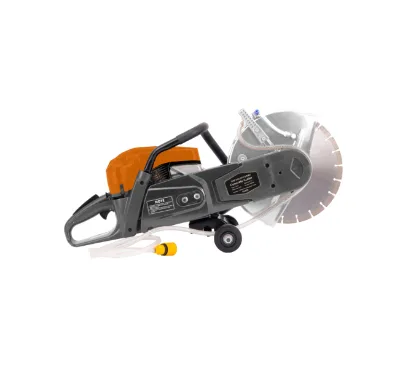
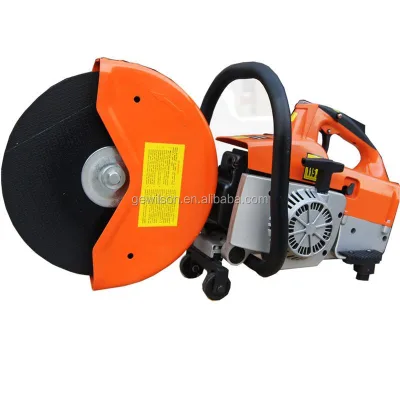
Explore 30 listings for the petrol concrete cut off saw, featuring models with diamond blades and 2-stroke engines. Buyers can compare specifications like cutting depth, engine power, and blade rotation speed across suppliers in China.
Key considerations
Products List






Comprehensive Sourcing Guide
Strategic Sourcing Guide for Petrol Concrete Cut Off Saws
The global construction and stone industry relies heavily on portable cutting equipment to maintain efficiency on job sites where electricity is unavailable or impractical. For procurement professionals sourcing a petrol concrete cut off saw, the market presents a diverse array of options ranging from lightweight handheld units to heavy-duty industrial machines. Understanding the specific technical parameters, compliance requirements, and supply chain dynamics is essential for making a sound investment. This guide synthesizes available product data and industry standards to provide a structured approach for evaluating potential suppliers and selecting the right equipment for your operational needs.
Technical Specifications and Performance Metrics
When evaluating a petrol concrete cut off saw, the engine configuration and cutting capabilities are the primary determinants of performance. Based on observed market data, these units typically utilize a 2-stroke engine architecture, which offers a high power-to-weight ratio suitable for portable applications. The engine type is frequently described as air-cooled and single-cylinder, though some high-performance models may feature double-entry stratified charging to optimize fuel efficiency and power output.
Displacement is a critical metric for engine sizing. Data indicates a range of capacities, with specific models featuring a 65cc displacement. This size is generally sufficient for heavy-duty cutting tasks while maintaining portability. The power output varies significantly depending on the intended application. Observed specifications show rated output powers ranging from 1.47kw to 2.9kw. A 2.9kw engine is typically associated with professional-grade cutting of hard materials like granite and marble, whereas lower power outputs may suffice for standard concrete curb or brick cutting.
The cutting mechanism itself is defined by the blade size and rotation speed. Standard blade sizes observed include 350mm, which provides a maximum cutting depth of approximately 125mm. This depth is adequate for most standard concrete and masonry applications. The blade rotation speed is a key performance indicator; units typically operate at idle speeds between 2800rpm and 3200rpm, with loading speeds reaching up to 9000rpm. However, specific cutting applications, such as stone industry work, may utilize blades rotating at 4800rpm to 5100rpm. The material of the blade is predominantly diamond, designed for transverse saw processing methods. This ensures durability and precision when cutting through abrasive materials like cement bricks, red bricks, and fire bricks.
Compliance, Certification, and Safety Standards
Procurement of industrial machinery requires strict adherence to safety and quality standards. The most frequently observed certification for these units is the CE mark, indicating compliance with European health, safety, and environmental protection standards. Buyers must verify that the supplier provides valid documentation for this certification, as it is a prerequisite for importing into many international markets.
Noise emissions are a significant concern in both occupational health and environmental compliance. Observed data points to noise loading levels as high as 112dB. This level necessitates the use of personal protective equipment (PPE) and may require specific engineering controls depending on local regulations. Buyers should request detailed acoustic test reports from the supplier to confirm that the noise levels align with the stated specifications and local legal limits.
Additionally, the condition of the equipment is a critical factor. The market data consistently indicates that products are listed as "Brand New" or "New." Buyers must ensure that the "New" status refers to factory-fresh units rather than refurbished stock. The standard packing method is typically a carton box, which should be robust enough to protect the machinery during transit. Verification of the product origin, often listed as Zhejiang, China, is also important for understanding the supply chain logistics and potential tariff implications.
Cost Drivers and Pricing Dynamics
The pricing of petrol concrete cut off saws is influenced by several variables, including engine power, blade quality, and brand reputation. The observed price range in the market is extensive, spanning from $0.50 to $1129. This wide disparity suggests that the lower end of the spectrum may represent entry-level or smaller components, while the upper end reflects fully equipped, high-power industrial units.
Several factors drive the cost within this range. First, the engine power is a primary cost driver; units with a 2.9kw output will generally command a higher price than those with 1.47kw. Second, the blade size and material composition affect the overall value. A 350mm diamond blade is more expensive than smaller alternatives. Third, the weight of the unit plays a role; a gross weight of 12.5kg versus a net weight of 10.2kg indicates the inclusion of more substantial components, which adds to the manufacturing cost.
Minimum Order Quantity (MOQ) is another critical cost consideration. The observed MOQ range is between 1 and 200 units. Buyers seeking to test the market or fulfill small project needs can often source single units, while larger procurement teams may benefit from bulk purchasing agreements. It is essential to clarify whether the price includes the blade and fuel tank, as the fuel tank capacity varies from 750ml to 1.3L, impacting the operational range and convenience of the machine.
Typical Applications and Usage Scenarios
The versatility of the petrol concrete cut off saw makes it suitable for a wide range of applications. The primary usage scenarios include the stone industry, general construction, and building decoration. Specific materials that these machines are designed to cut include marble, granite, concrete curbs, cement bricks, red bricks, and fire bricks. The application is not limited to a single trade; the equipment is utilized by professionals in metal sawing, stone sawing, and tile/brick sawing.
The design of the machine supports both manual operation and specific cutting processes. Most units are classified as manual and portable, allowing for easy transport to different sites. The shape of the blade is circular, optimized for transverse saw processing. Some models feature adjustable handles and pure color finishes, which may be relevant for branding or ergonomic preferences. The "adjusted" feature allows operators to fine-tune the machine for specific cutting angles or depths, enhancing precision in complex projects.
Supplier Evaluation and Quality Assurance
Selecting a reliable supplier is paramount to ensuring the longevity and safety of the equipment. Buyers should evaluate suppliers based on their ability to provide detailed technical specifications and proof of compliance. The product model numbers, such as EMT520, EHT 272, and HM-GT6208H, serve as identifiers for specific configurations. Buyers should verify that the model number provided matches the exact specifications required for their project.
Quality control measures should be a priority during the supplier evaluation process. Buyers must confirm that the engine type, power source, and blade material match the product description. For instance, a supplier claiming a 2-stroke engine must provide evidence of the air-cooled, single-cylinder configuration. The processing method, specifically the transverse saw technique, should be consistent with the intended use.
Furthermore, the supplier's ability to offer customization is a valuable asset. Data indicates that customization is available for these products. Buyers should inquire about the extent of this customization, such as the ability to modify the handle color, adjust the fuel tank capacity, or alter the blade size. The "customized" attribute suggests that suppliers may be willing to tailor the product to specific client needs, which can be a differentiator in the procurement process.
Long-Term Procurement and Maintenance Considerations
Sourcing a petrol concrete cut off saw is not just a one-time transaction but the beginning of a long-term operational relationship. Buyers should consider the availability of spare parts, particularly for the engine and blade components. The engine type, being a 2-stroke, air-cooled, single-cylinder unit, requires specific maintenance protocols. Understanding the displacement (e.g., 65cc) is crucial for ordering the correct replacement parts and fuel mixtures.
The net weight and gross weight of the unit are also important for logistics and handling. A unit weighing 10.2kg net and 12.5kg gross requires appropriate handling equipment and storage solutions. Buyers should assess the durability of the standard carton box packaging to ensure it protects the machine during storage and transport.
Finally, the automation level of the machine is typically manual, which means operator skill and training are significant factors in the total cost of ownership. Buyers should plan for training programs to ensure operators can safely and efficiently use the equipment. The adjusted features and manual operation require a skilled workforce to maximize the machine's potential and minimize wear and tear. By considering these long-term factors, procurement teams can ensure a sustainable and efficient operation of their petrol concrete cut off saw fleet.
Comparative Analysis of Key Specifications
To facilitate a clearer understanding of the differences between various models, the following table summarizes the key technical specifications observed in the market. This comparison highlights the variance in power, speed, and capacity that buyers should consider when making a selection.
| Specification | Model A (Example) | Model B (Example) | Model C (Example) |
|---|---|---|---|
| Engine Type | 2-Stroke, Air Cooled | 2-Stroke, Air Cooled | 2-Stroke, Air Cooled |
| Displacement | 65cc | Not Specified | Not Specified |
| Rated Output Power | 2.9kw | 1.47kw | Not Specified |
| Blade Size | 350mm | 350mm | Not Specified |
| Max Cutting Depth | 125mm | Not Specified | Not Specified |
| Idle Speed | 3200rpm | 2800rpm | Not Specified |
| Loading Speed | 9000rpm | Not Specified | Not Specified |
| Fuel Tank Capacity | 750ml | 1.3L | Not Specified |
| Gross Weight | 12.5kg | Not Specified | Not Specified |
| Net Weight | 10.2kg | Not Specified | Not Specified |
| Blade Rotation Speed | 4800rpm | 5100r/Min | Not Specified |
| Noise Loading | 112dB | Not Specified | Not Specified |
| Standard | CE | CE | Not Specified |
| Origin | Zhejiang, China | China | Not Specified |
This table illustrates the diversity in specifications available in the market. Buyers must carefully match these metrics to their specific project requirements. For instance, a project requiring deep cuts in hard granite will prioritize the 2.9kw engine and 125mm cutting depth, while a project involving light brick cutting might prioritize the lower weight and smaller fuel tank of alternative models. By systematically evaluating these parameters, procurement professionals can make informed decisions that align with their operational goals and budget constraints.
FAQs
What engine type powers these petrol concrete cut off saws?
These units typically use a 2-stroke, air-cooled, single-cylinder engine. Some high-performance models feature double-entry stratified charging to optimize power output for cutting hard materials like granite and marble.
Which blade size and cutting depth are standard for this equipment?
Standard blade sizes are 350mm, providing a maximum cutting depth of 125mm. The blades are made of diamond material designed for transverse saw processing on concrete, brick, and stone.
Can buyers find suppliers offering customization for these saws?
Yes, customization is available for these products. Buyers can inquire about modifying handle colors, adjusting fuel tank capacities, or altering blade sizes to meet specific project requirements.
What is the typical noise level during operation of these saws?
Observed noise loading levels can reach up to 112dB during operation. This high noise level necessitates the use of personal protective equipment and may require specific engineering controls for compliance.
How much fuel capacity do these portable saws usually hold?
Fuel tank capacities vary, with observed ranges from 750ml to 1.3L. The specific capacity depends on the model, impacting the operational range and convenience of the machine on job sites.
Which certifications are commonly associated with these petrol saws?
The CE mark is the most frequently observed certification, indicating compliance with European safety standards. Buyers must verify valid documentation for this certification before importing into international markets.
What is the minimum order quantity for purchasing these saws?
The minimum order quantity ranges from 1 to 200 units depending on the supplier. Buyers seeking to test the market can often source single units, while larger teams may benefit from bulk agreements.